By: Benjamin Smith
Staff Writer
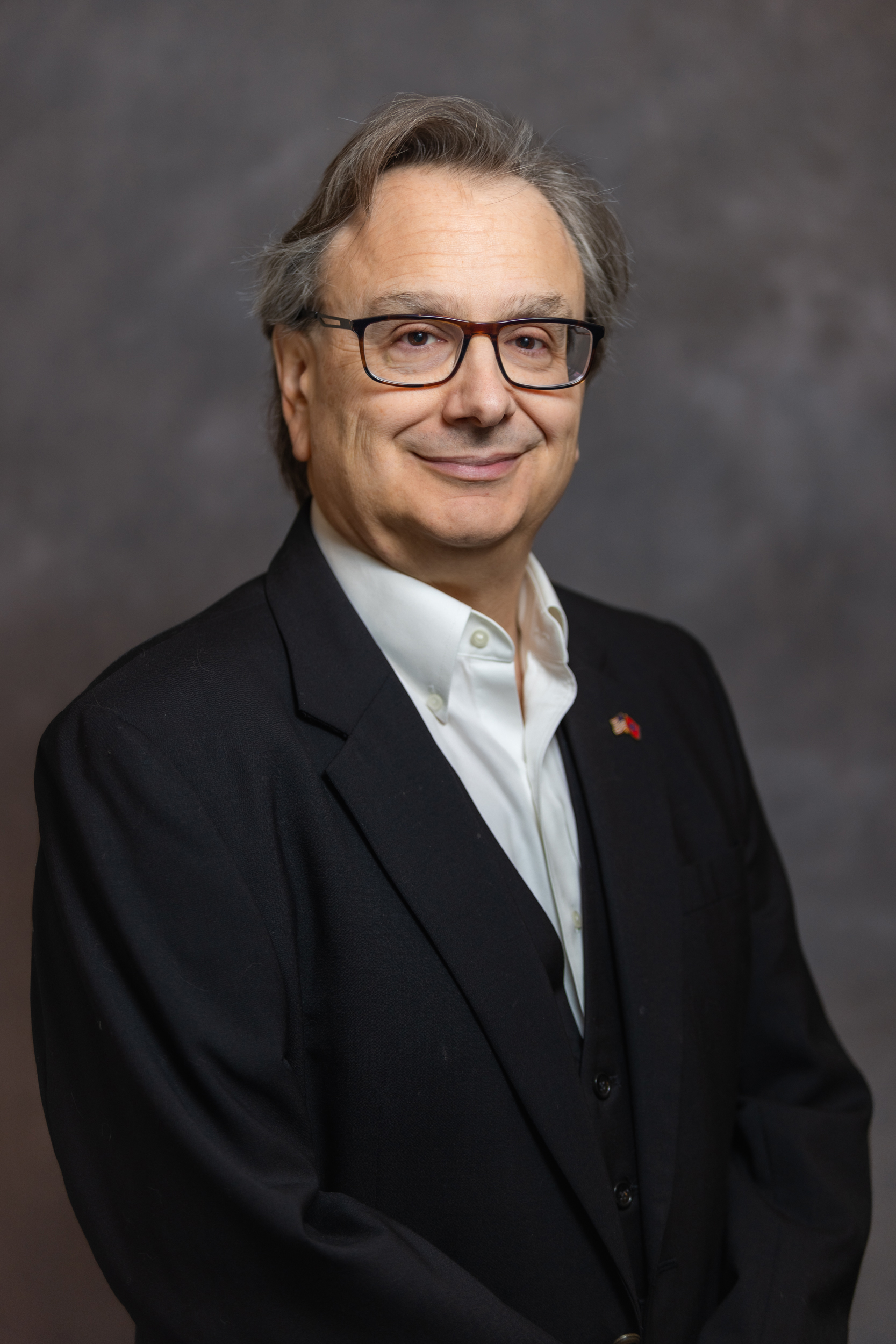
Leonard Assante, a communication studies professor at Vol State, discussed his career path, leadership roles, and work in broadcasting to highlight his professional background and his return to full-time teaching after serving as assistant dean.
Assante began teaching in 1991 and has taught at Vol State since 1996. He said he first came to Tennessee in 1994, when he accepted a position at Austin Peay State University before coming to Vol State two years later.
Assante said he was born in New York City, grew up in New Jersey, and attended college in both states. Before becoming a communication major, he initially pursued aeronautical and mechanical engineering as a freshman but changed majors after his first semester. He said he struggled in engineering courses and realized the major was not a good fit for him.
He said he considered majoring in philosophy but learned that philosophy majors were often required to complete additional writing assignments. After discussing his options with a friend, he decided that communication might lead to a job with the phone company, which appealed to him at the time. He also said that many of the students in the communication program were girls, which also contributed to his decision. However, while he dated in graduate school and was once engaged, he never married. Although he did not go on to work in a field related to the phone company, he said he enjoyed the subject matter.
Assante said he chose to attend graduate school because he was unsure of what career path he wanted to pursue after completing his bachelor’s degree. While in graduate school, he received a teaching assistantship that covered tuition and provided a $6000 annual stipend. In exchange, he taught one class and assisted faculty with research assignments.
He said his first day of teaching began at an 8a.m. Monday class in Norton Hall, room 212, remembering the exact number. Although he described being “scared out of his mind” before that first session, he said that by the end of the class, he knew that teaching was what he wanted to do professionally.
After graduate school, Assante began his college-level teaching career in 1991. He worked at multiple institutions on the East Coast and the Midwest before taking the position at Austin Peay in 1994. He continued there until joining Vol State in 1996, where he’s remained for nearly three decades.
In addition to teaching, Assante held several administrative and leadership roles at the college. He served as chair of the Communication Department for 12 years, despite the position traditionally rotating every three years. He said that during each cycle, faculty were asked whether anyone wanted to assume the chair role, and for many years, no one volunteered. Assante said he enjoyed the position for much of his time in the role but eventually felt that the department needed new leadership. As new faculty members were hired and others retired, the rotation became easier to maintain. He said Professor Waltz, and later Dr. Hill, each served as chairs after he stepped down.
Assante said he also served as speaker of the faculty council twice and participated in multiple committees, including the facilities committee. He said these responsibilities were common for faculty at community colleges, where instructors often “wore a lot of hats” to meet the institution’s needs.
After returning to teaching following his 12-year term as department chair, Assante applied for the assistant dean position when it became available. The position, like the chair role, was a three-year appointment. He said he was interested in trying something new and that the role was the next step in his professional growth. He completed the three-year term and was eligible to serve another, but he chose not to reapply. He said the job was partly designed to prepare new leaders and that, after years of administrative work, he wanted to focus solely on teaching as he approached retirement.
Assante said he planned to continue teaching for at least another year, with the earliest possible retirement date falling at the end of next summer. He said the timeline might vary depending on circumstances, but he expected to retire within the next few years.
In addition to his teaching and administrative roles, Assante hosted a weekly political and community affairs radio program. He said his show, The Loyal Opposition, aired on WQKR in Portland on Wednesdays at 5 p.m. and had been running for about 3.5 years. He also produced a companion podcast. A typical hour-long episode began with brief news headlines and commentary, followed by an interview with a political candidate, an officeholder, a community activist, or a representative of a local organization. He said he also occasionally featured segments highlighting small women-owned businesses and entertainment topics, including interviews with artists.
Assante said the radio work helped him stay current in his field and allowed him to engage with a wide range of subjects and guests.
When asked for advice he would give to students, Assante referred to a list he created called “Assante’s Rules for Success at College,” which contains 15 guidelines. He said students should read and follow the rules.
Assante has also been a private pilot since he was 16. While he used to own his own plane, he said he sold it “a few years back” and is currently plane-less.





Be First to Comment