By: Vasily Stokes
Editor-In-Chief
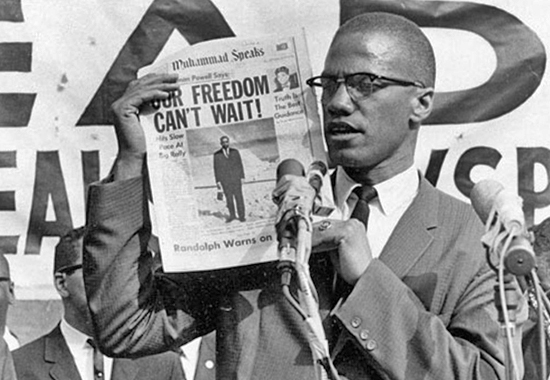
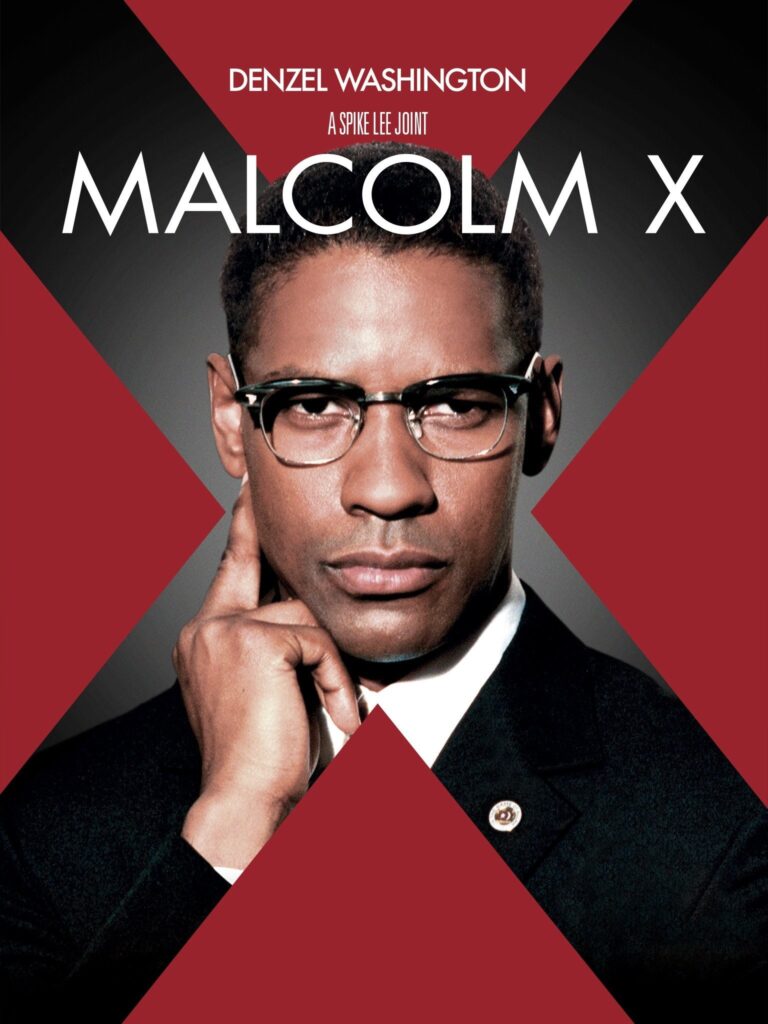
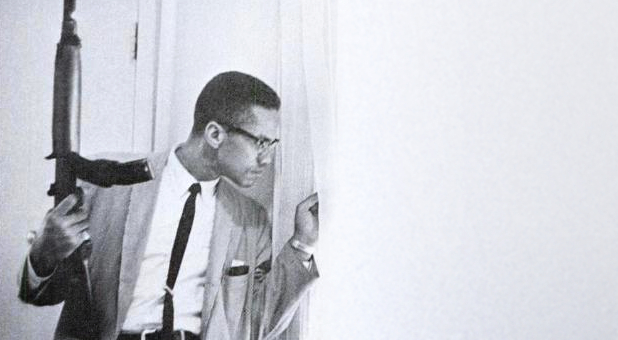
On February 12, the Vol State History Department, with the Gallatin Palace theater, hosted one of its “History at the Movies” nights, and, for Black History Month, featured the legendary Spike Lee’s Malcolm X, starring Denzel Washington, alongside commentary from Vol State’s Melanie Cochran. Malcolm X is a biopic that not only shows one of the greatest African American leader’s personal experiences of growing up in pre-Civil Rights era America, but also in areas with a strong presence of the Ku Klux Klan, such as Lansing, Michigan, and areas with prominent Black communities, like Harlem, New York. However, it also highlights the complexity of Black Nationalism and the early Civil Rights movements. What makes Malcolm X notable within US history books is his personal belief in self-defense over non-violence. He remains important in African American history as a martyr who gave African American communities a new option, defending themselves against violence, injustice and oppression.
One of the most human things a person can do is change, change their mind, change their perception, and develop themselves to become a better individual. Malcolm X was a human who changed. You cannot point to any specific point in his life and claim that it fully represents him. This is not true of every individual, but Malcolm X was a legendary figure within the American Civil Rights movement, one who is most famous for his more radical views and for obtaining more rights than equally legendary Civil rights leader MLK Jr.
Malcolm X (born Malcolm Little) had his early views shaped by his father, a Christian pastor and an activist of the ‘Return to Africa’ movement. The Return to Africa movement was a popular movement that began in the late 1800s and early 1900s that attempted to get Afro-Americans to return to Africa, specifically to the American puppet-colonial state of Liberia. When Malcolm was six, his father was murdered by the Ku Klux Klan, and his mother was then involuntarily hospitalized while Malcolm and his siblings were turned over to the foster care system and separated. Malcolm turned to crime early in his life, and was eventually arrested for larceny, for which he served a six-and-a-half-year prison sentence. During his prison sentence, Malcolm X educated himself, teaching himself how to read and write in a more advanced manner by copying the entire dictionary, and joining the prison debate team to develop his public speaking skills. While this education contributed to the creation of Malcolm X, what he was most famous for was converting to Islam while in prison.
Malcolm accepted the beliefs of the Nation of Islam, one of the first Islamic organizations in the US, and the first Black Islamic organization in the US. Some people view Malcolm X as more focused on getting African Americans to convert to Islam and separating the Afro-American community from the white community. Malcom X wanted full separation from white society and for Black communities to have a say over Black communities. He also slandered many civil rights activists, like MLK, as Malcolm X believed that Afro-Americans could not secure rights by allowing white people to beat and send dogs after them. He believed that Black people must organize and be militant against their white oppressors.
Malcom X rose quickly through the ranks of the Nation of Islam, eventually becoming one of the few people allowed to casually speak to Elijah Muhammed, the Leader of the Nation of Islam at the time. Malcolm was tasked with traveling around the United States to set up Mosques. He was often put in the spotlight, in front of cameras, and asked to be the guest lecturer at universities. Elijah Muhammad became somewhat of a father figure for Malcolm, teaching him how to conduct himself around women, as well as other mannerisms that parents teach their children.
Over time, however, Malcolm X, in agreement with his wife, started to grow wary of Elijah Muhammad. Malcolm was critical of Elijah Muhammad after it was revealed that Elijah was having sexual relationships with his female pupils to have children, as he viewed himself as too important for African Americans for him to not ‘spread his genes.’ Around this same time there was also growing discontentment among Mosque leaders who grew jealous of Malcolm X becoming the face of Black Nationalism. But what formally resulted in his departure from the Nation of Islam was Malcolm referring to the John F. Kennedy assassination as “the chickens coming home to roost,” a reference to bad karma brought about by the actions and victims of America and its government. Saying this led to Malcolm X being battered by the media, and the Nation of Islam putting him on leave; then the leaders of the Nation attempted to car bomb him, resulting in his leaving the Nation.
After he departed from the Nation of Islam, he pleaded that other Civil Rights activists forget what he had said about them in the past, as he would forget what they said about him in the past. After a pilgrimage to the Islamic Holy City of Mecca, he believed that there could be equality among all races, as he saw during his pilgrimage. When he arrived home, he still proposed that the African American community be organized and militant against their white oppressors, but he was also willing to work with other civil rights activists and white people in creating a society that was equal and just.
On February 21, 1965, Malcolm X was shot and killed while giving a speech. He was killed by members of the Nation of Islam due to his criticism of Elijah Muhammad and the Nation. It was a planned, coordinated attack with alleged ties to the leadership of the Nation of Islam, NYPD, CIA, and FBI. Elijah Muhammad was fully removed from a formal leadership position within the Nation due to the public outcry over Malcolm X’s death. In 2010, one of Malcolm X’s assassins, Mujahid Abdul Halim (Thomas Hagen), a former member of the Nation of Islam who was arrested and convicted of Malcolm’s murder, was paroled due to his admission of guilt and being part of a work release program. He had left the Nation years before his release and expressed “regrets and sorrow” for the murder he committed. In 2024, the daughters of Malcolm X would file a 100-million-dollar federal lawsuit against the CIA, FBI, and NYPD for their alleged involvement in and cover-up of the Malcolm X assassination.
The movie ends with footage of several civil rights leaders like MLK and Nelson Mandela, but most importantly, it includes footage of the brutal beating of Rodney King by the LAPD. This movie was released during the LA riots that began because of that video, and the officers involved being found not guilty.
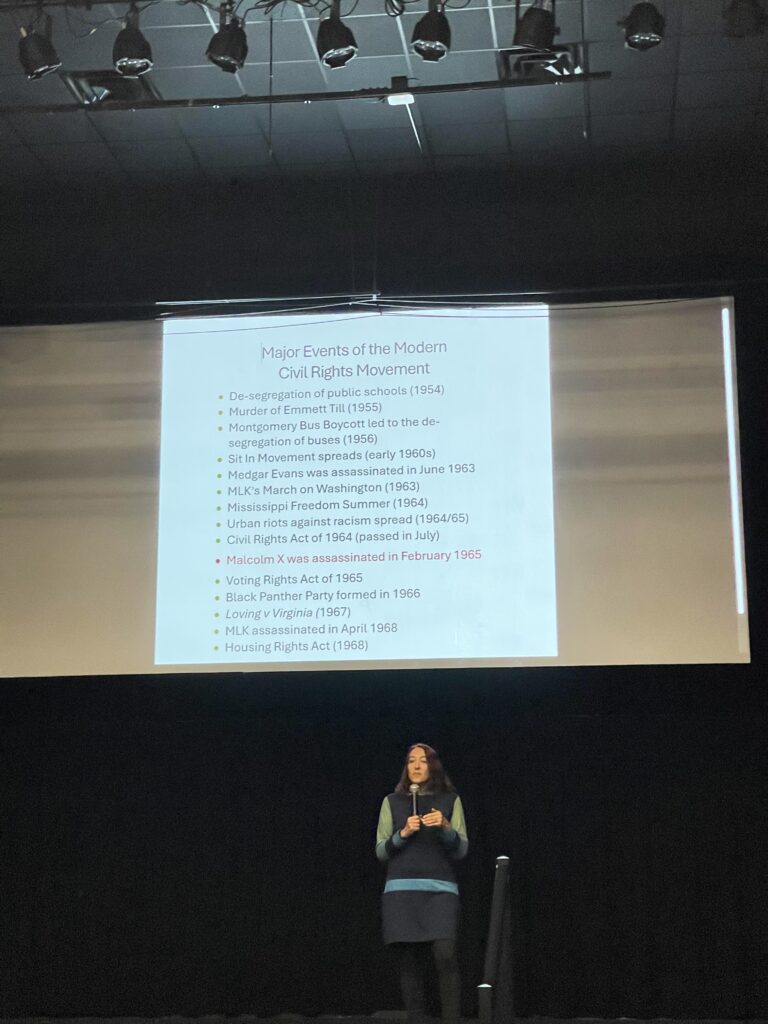
The lecture before and after the movie was more of an open conversation among the audience and Professor Cochran. One of the questions that was asked of the audience was, “How do you think Malcolm X would feel about America today?” Many audience members answered that he would be “angry” or “disappointed.” While I understand how easy it is to think that, I believe that he would have the same feelings he had during his life. Our America is no better than his was. I believe that if he were alive, he would see what was happening today in America and would not spend any time moping about how life in America has not gotten better for minorities; he would focus on organizing and helping build a movement to stand against the systems of oppression.
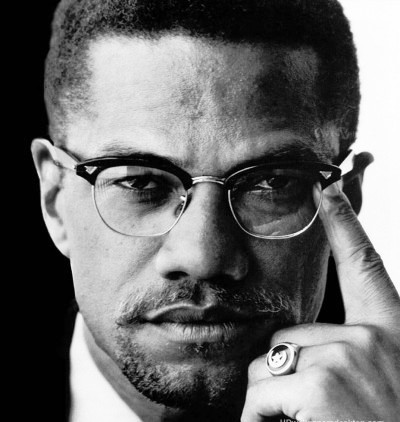
“There is no better teacher than adversity. Every defeat, every heartbreak, every loss, contains its own seed, its own lesson on how to improve your performance the next time.”
– Malcolm X






Be First to Comment